Most important safety-focused lessons taught in Regulated Aesthetic Courses
Why Regulated Aesthetic Courses Are Crucial for Developing a Safe, Professional Practice
Regulated aesthetic courses play a considerable function in promoting secure and specialist practices within the aesthetic market (Regulated Aesthetic Courses London). These programs outfit practitioners with crucial knowledge regarding makeup, security procedures, and the most up to date techniques. They also help ensure conformity with lawful standards, which is important in preserving both client security and expert integrity. The effects of such training prolong beyond mere conformity. Understanding the broader influence on client trust fund and market liability increases vital inquiries regarding the future of aesthetic methods
The Importance of Safety in Aesthetic Treatments
The relevance of safety in aesthetic treatments can not be overstated. As the need for cosmetic treatments expands, ensuring patient security becomes vital. Aesthetic experts should abide by stringent security protocols to minimize difficulties and risks. This includes comprehending the composition, recognizing possible negative reactions, and utilizing correct strategies. Individuals should have to receive treatments in a controlled atmosphere where health and devices standards are maintained. Furthermore, making use of controlled courses warranties that professionals are educated and well-trained regarding the most up to date safety standards. By prioritizing safety and security, professionals not just secure their customers but additionally foster depend on and reliability in their techniques. Eventually, a commitment to safety adds to the overall success and sustainability of the aesthetic industry.
Understanding the most up to date Advancements and strategies
Development in aesthetic treatments is a driving pressure behind the development of the sector. Advancements in techniques such as micro-needling, laser therapies, and non-invasive body contouring have changed the method practitioners come close to person treatment. These technologies not only enhance outcomes yet also focus on patient convenience and security. For circumstances, the assimilation of expert system in therapy planning enables customized strategies, enhancing results based on specific person demands. Furthermore, new items and products are continually created, offering boosted efficiency with fewer negative effects. Remaining updated on these improvements is essential for practitioners, guaranteeing they can offer the very best treatment while adhering to sector requirements. This commitment to discovering ultimately fosters an extra efficient and accountable aesthetic technique.
Building Client Count On Through Regulated Education
Regulated education and learning plays an essential function in fostering trust in between practitioners and customers in the aesthetic sector. They demonstrate a commitment to professionalism and reliability and proficiency when specialists undergo organized training and qualification. This formal education and learning guarantees that aesthetic procedures are done safely and successfully, providing clients with self-confidence in the abilities of their selected professional. Clients are most likely to trust professionals who have actually fulfilled sector criteria and guidelines, as this indicates a comprehensive understanding of methods, security protocols, and honest methods. Furthermore, controlled education motivates continuous knowing, enabling experts to remain updated with the most recent innovations. Consequently, customers can feel protected recognizing their aesthetic therapies are taken care of by educated, professional people devoted to providing high-grade care.
The Duty of Liability in Aesthetic Practices
While liability is typically neglected, it functions as a cornerstone of ethical method in the aesthetic industry. Specialists must stick to established requirements and procedures to guarantee customer safety and fulfillment. Responsibility cultivates a culture of transparency, where professionals take responsibility for their decisions and actions. This consists of preserving precise documents, obtaining informed permission, and proactively participating in continual education. By holding themselves liable, aesthetic professionals show their commitment to quality care and moral criteria. In enhancement, responsibility systems, such as regulatory bodies and peer reviews, produce a framework that inhibits malpractice and advertises finest practices. Ultimately, a solid responsibility system is crucial for sustaining trust and honesty within the aesthetic field, benefiting both practitioners and their clients.
Enhancing Professionalism in the Aesthetic Market
Professionalism in the aesthetic market is significantly acknowledged as a crucial part in improving customer depend on and contentment. Specialists that comply with high requirements of professionalism and trust create a setting that fosters favorable customer experiences. This includes maintaining a tidy, safe practice area, interacting effectively, and showing honest actions. Educating programs that highlight professionalism furnish experts with the needed skills to browse customer relationships and address issues quickly - Ofqual Regulated Beauty Courses. Additionally, professionalism includes staying upgraded with market innovations and best methods, guaranteeing that clients receive educated and suitable care. By prioritizing expertise, aesthetic practitioners can identify themselves in an open market, inevitably resulting in enhanced client commitment and positive references. Because of this, the whole market advantages from a credibility constructed on trust and top quality
Legal Demands and Conformity in Aesthetic Training
Legal needs and conformity are vital elements of aesthetic training, making sure that experts satisfy established governing requirements. These criteria not just guard public health and security yet likewise highlight the relevance of qualification in the industry. Understanding these requirements is necessary for both training institutions and go to the website striving aesthetic experts.
Regulative Criteria Overview
Governing requirements play a necessary duty in guaranteeing the top quality and safety of aesthetic training programs. Regulated Aesthetic Courses. These requirements include a range of legal needs that training organizations need to follow, consisting of educational program web content, instructor qualifications, and facility safety and security procedures. Conformity with these policies not only aids maintain high educational standards but additionally protects the health and well-being of clients receiving aesthetic treatments. Different regulating bodies supervise these laws, making certain that programs are on a regular basis upgraded to mirror innovations in the area. Institutions using aesthetic training has to show adherence to neighborhood and national standards to accomplish accreditation. This dedication to regulative compliance promotes trust fund in between customers and professionals, ultimately adding to a more secure aesthetic practice atmosphere
Importance of Accreditation
While pursuing a career in aesthetic appeals, getting accreditation is vital for experts to assure conformity with lawful demands and sector standards. Certification works as an official recommendation of a practitioner's certifications, ensuring they possess the needed abilities and expertise to perform aesthetic procedures securely and efficiently. Additionally, it boosts public depend on, as customers commonly seek guarantee that their companies are extensively trained and abide by regulatory standards. Conformity with qualification demands additionally alleviates the risk of legal consequences originating from negligence or inadequate training. In addition, certified experts are often much better placed in the competitive work market, as employers prioritize prospects that demonstrate dedication to specialist development and adherence to sector requirements. Ultimately, accreditation is a foundation of a reliable aesthetic method.
The Long-Term Benefits of Spending in Regulated Courses
Investing in managed aesthetic courses can yield significant long-lasting benefits for professionals in the charm market. To start with, these courses enhance skillsets, ensuring experts remain updated with the most recent techniques and safety and security procedures - Aesthetic Courses for Non-Medics UK. This expertise fosters confidence, enabling specialists to provide high-quality solutions that satisfy customer expectations
Completing regulated courses usually leads to boosted trustworthiness and depend on amongst clients, which can convert into a loyal client base and raised referrals. Furthermore, professionals might find that their bankability enhances, enabling them to regulate greater charges for their knowledge.
Continuous education and learning can open doors to career innovation opportunities, such as specialized functions or supervisory positions within the sector, contributing to better work satisfaction and financial security in the long run.
Regularly Asked Inquiries
What Kinds Of Aesthetic Treatments Require Regulated Training?
Aesthetic treatments needing regulated training include injectables like Botox and dermal fillers, chemical peels, laser hair elimination, microneedling, and progressed skin care procedures. Correct training assurances safety and security, efficacy, and adherence to industry requirements in aesthetic practices.
How Can I Discover Accredited Aesthetic Courses?
People looking for approved aesthetic courses can look into reputable organizations on-line, consult specialist associations, and read reviews. Connecting with market specialists additionally assists recognize acknowledged programs that meet certification requirements and ensure comprehensive training.
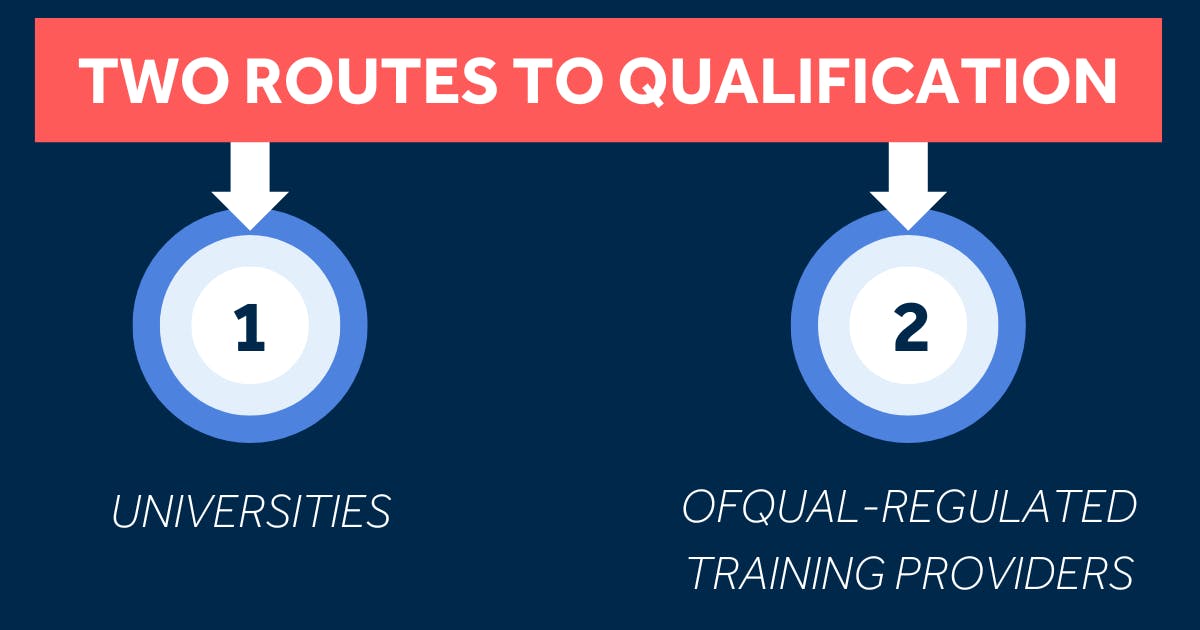
Are Online Aesthetic Courses Thought About Valid and Regulated?
On the internet aesthetic courses can be valid if approved by identified organizations. Nevertheless, policy varies by territory, making it necessary for individuals to verify certification and guarantee that courses meet sector standards for safety and security and expertise.

What Is the Expense of Regulated Aesthetic Training Programs?

The cost of regulated aesthetic training programs usually ranges from $1,000 to $5,000, depending upon the organization, program size, and included materials (Ofqual Regulated Beauty Courses). Elements like area and expertise might further influence prices variants
Just how Frequently Do I Required to Restore My Aesthetic Qualification?

Regulated aesthetic courses play a substantial duty in promoting specialist and risk-free methods within the aesthetic sector. Aesthetic professionals need to stick to stringent safety procedures to reduce difficulties and threats. Regulated education and learning plays a critical role in cultivating trust between professionals and clients in the aesthetic sector. By prioritizing professionalism and trust, aesthetic practitioners can distinguish themselves in an affordable market, eventually leading to boosted customer loyalty and positive recommendations. Legal needs and conformity are essential components of aesthetic training, making sure that specialists fulfill recognized regulatory requirements.